

Car Floor Mats That Make Every Drive Cleaner and More Comfortable
2026-09-21
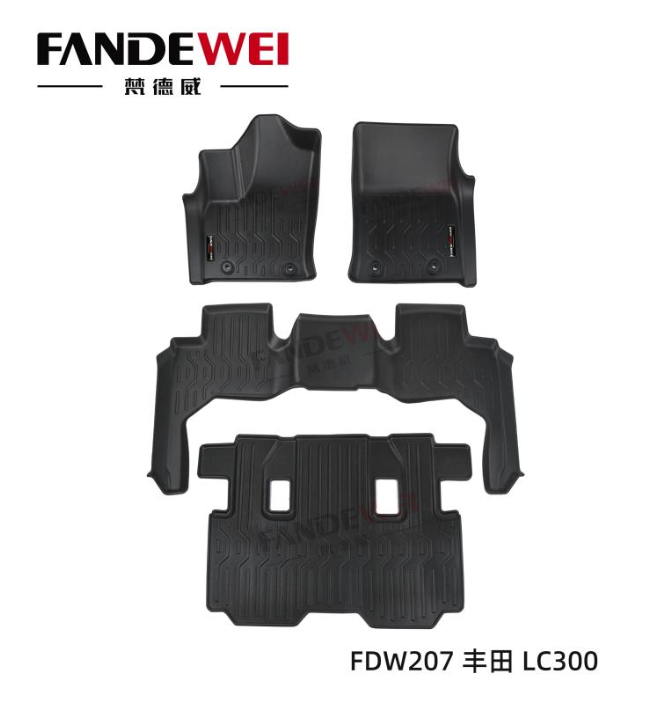
Between muddy shoes, coffee spills, and everyday dust, your car's flooring takes a beating—but it doesn't have to show it. The right set of floor mats turns your daily commute into a noticeably cleaner, more comfortable experience. That's exactly what FANDEWEI delivers with their thoughtfully designed mats, built to trap mess and add a touch of comfort underfoot. Here's what makes them worth the switch.
Mud, Salt, and Spills Are No Longer Your Problem
When you step inside after a hike or a rainy commute, the last thing you want is to spend the evening scrubbing floors. Heavy-duty protection catches everything from caked mud to road salt before it spreads across your entryway.
Spilled coffee, melted snow, even a tipped paint can — these surfaces shrug it all off. A quick wipe or rinse and they're back to looking fresh, without staining or lingering odors.
That means less time cleaning and more time doing what you actually enjoy. The mess stays contained, your space stays presentable, and you stop worrying about every footstep.
All-Day Comfort That Makes Long Trips Feel Shorter
The moment you settle in, the pressure points that usually nag at your lower back and hips start to fade. A carefully tuned blend of cushioning and support cradles your body without swallowing it, so you can shift positions naturally without losing that gentle, even weight distribution.
Breathable fabrics and well-placed flex zones work quietly in the background, wicking away moisture and letting your joints move through their full range. There's no stiff break-in period, no awkward seams digging in—just a steady, unobtrusive ease that keeps your focus on the road ahead rather than the clock.
By the time you arrive, you might be surprised to find your legs don't feel heavy and your shoulders haven't crept up to your ears. That's the real trick: comfort so consistent it makes hours feel like minutes, leaving you ready to explore the moment you step out.
Laser-Cut Edges That Hug Every Contour
The laser follows the contour without smoothing over the small shifts that define the part. Where a router would force a generic radius, the beam negotiates each turn as it comes, so the cut edge stays faithful to the designed profile from end to end.
That precision shows up most on parts with flowing lines or tight inner corners. The kerf is narrow enough that adjacent panels meet without a visible gap, and the edge feels crisp without being brittle. No secondary filing or sanding hides a sloppy first pass—the cut itself is the finish.
Because the head never touches the material, there is no side pressure to deflect the path or soften a hard angle. The result is a contour that reads as continuous, even under raking light, with a consistency that hand finishing rarely matches.
Cleaning Takes Minutes, Not Your Whole Weekend
Most cleaning routines collapse because they're built around marathon sessions that demand an entire afternoon. Flip that logic. A handheld cordless vacuum with a motorized brush can sweep crumbs, pet hair, and hallway dust in under ten minutes, while a microfiber mop with a built-in sprayer handles kitchen floors before the coffee finishes brewing.
The trick is keeping the tool within arm's reach. When the vacuum hangs on a wall hook near the entryway or the mop sits in a narrow cabinet by the trash can, tackling a spill or muddy footprint becomes automatic. You stop negotiating with yourself about whether it's worth the setup time.
Short, frequent passes also prevent buildup. Instead of scrubbing dried sauce off the stove on Sunday, you wipe it while the pan cools on Tuesday. That shift means your weekend is actually yours, and the house never reaches the point where it needs a deep clean.
Built to Outlast Seasons, Not Just Trends
Most pieces are designed to look good in a showroom for a single season. The stitching around the cuffs on this jacket, for instance, is reinforced with a second pass of high-tenacity thread because that's where fabric frays first. The zipper pull is cast from a single piece of metal rather than stamped, so it won't snap when your hands are cold and you're yanking it up in a hurry. These aren't details you notice on day one; they're details you appreciate in year three.
Trends move fast, but a well-made garment doesn't have to. We'd rather spend six months testing a waxed cotton against rain and sun than rush a shiny new colorway that fades by spring. The lining isn't glued in place—it's sewn, which means it can be replaced if you wear through it. That's the point: you should be able to wear this until the elbows go soft and the hem frays, not until the next lookbook drops.
What lasts isn't the silhouette that was everywhere for five weeks. It's the one that fits well, moves with you, and doesn't quietly fall apart at the seams. We keep the cuts straightforward and the materials stubborn. If a fabric can't survive a dozen washes without losing its shape, it doesn't make the cut. That's not stubbornness for its own sake—it's just a quieter kind of fashion, the kind you don't replace every time the calendar flips.
A Cabin That Stays Fresh, Even With Kids and Pets
Most cabins fail the moment a wet dog shakes off near the entryway or a toddler drops a juice box on the rug. To keep ours fresh, we skipped carpet entirely and went with wide-plank luxury vinyl that looks like white oak but shrugs off scratches, spills, and muddy paw prints. Add a deep utility sink just inside the back door—complete with a handheld sprayer—and suddenly rinsing off boots, paws, and even a cranky toddler becomes a ten-second chore instead of a hallway disaster.
Storage does the heavy lifting here. Instead of open shelving that collects dust and dog hair, we built a wall of closed cabinets with soft-close doors in the mudroom. Inside are labeled bins for leashes, tennis balls, sunscreen, and spare socks. A dedicated drawer holds a lint roller, enzyme cleaner, and microfiber cloths, so nobody has to hunt for cleanup supplies while a stain sets. For soft surfaces, every cushion and throw is machine-washable, and we swap in patterned, low-pile rugs that hide the inevitable dirt between vacuuming sessions.
Freshness also comes from simple routines that don't feel like chores. We air the cabin for ten minutes each morning, even in winter, and run a quiet air purifier with a washable pre-filter near the dog bed. A cedar-lined toy chest doubles as a bench and keeps stuffed animals from turning into dust collectors. And instead of air fresheners, we keep a small pot of rosemary or eucalyptus on the kitchen sill—crush a leaf when the place needs a reset, and the whole room wakes up.
FAQ
The main difference comes down to fit and material. Instead of a universal shape that slides around, these are molded to match the exact floor contour of your vehicle, so they stay put and trap dirt where it actually lands. The surface has a textured grip layer that keeps shoes from slipping, and the raised edges catch spills before they reach the carpet.
You can hose them off or wipe with a damp cloth; mud doesn't cling because the surface is non-stick. For dried-on dirt, a quick scrub with mild soap brings them back. They air dry fast, no need to wait hours.
Yes, the material has a slight cushioning effect that reduces leg fatigue compared to hard plastic liners. The underside uses anti-fatigue backing that also absorbs vibration from the road, so your feet feel less buzzing after hours behind the wheel.
They're built for it. The material stays flexible in freezing temps so it won't crack, and the raised lip keeps slush and salt water contained. You can shake out the crusty salt, and it won't stain or leave white residue after rinsing.
Safety is a priority. Each mat uses the factory anchor points or built-in grippers on the back, so there's zero movement. The top surface is also heel-friendly, not slick, so your foot won't slip off the brake pedal.
These are made from digital scans of your specific make, model and year, not a one-size-fits-all approximation. The edges follow the floor contour exactly, including around the dead pedal and under the seat rails, so there's no gap for dirt to sneak through.
There's no chemical smell because the material is non-toxic and odor-free from day one. It doesn't off-gas in hot sun, so you won't get that headache-inducing rubber smell in a closed car.
You can layer them over the factory carpet mats if you want extra sound insulation, but they're designed to replace them. Most people remove the old carpet because these do a better job and are easier to clean.
Conclusion
A good set of car floor mats changes the way you feel about getting behind the wheel, especially when rain, snow, or an unexpected coffee spill would otherwise leave a lasting mess. Instead of worrying about mud, salt, and grime working into the carpet, these mats trap everything in deep channels and raised edges, so the cabin stays clean without constant scrubbing. Long drives also become easier on your body because the cushioned surface reduces fatigue and keeps your feet from slipping, while the laser-cut contours follow every curve of the floor for a snug, factory-like fit that never bunches up under the pedals.
When it is time to clean, a quick rinse or wipe is usually all it takes, so you are not spending an entire weekend fighting stains. The materials are chosen to handle heavy use across hot summers, freezing winters, and muddy spring months, holding their shape and texture instead of cracking or fading after one season. That durability matters even more if you regularly travel with kids or pets, since odors and dampness do not linger the way they do in ordinary carpet. The result is a fresher, quieter, and more comfortable cabin that feels ready for anything, whether you are commuting, carpooling, or heading out on a long road trip.
Contact Us
Contact Person: Jet
Email: [email protected]
Tel/WhatsApp: 8619903745266
Website: https://www.fandewei.com/