
#

Featured Products

New Products

News

  • DETDA Maker Insights for High-Performance Polyurethane Applications

    Ask any formulator chasing tighter demold cycles and higher heat resistance: DETDA quality quietly decides whether a polyurethane system performs or falls short. This piece skips glossy spec sheets and looks at what actually separates reliable DETDA from the rest—batch-to-batch consistency, amine value drift, isomer ratio control, and how those variables show up in real cure profiles. It argues that DETDA is not a true drop-in commodity, and the supplier behind the molecule often matters more than listed purity. Drawing on production-floor and lab-bench experience, it lays out practical checks for evaluating a DETDA source and shows how the right manufacturer helps avoid the slow, expensive detour of trial-and-error when performance margins get tight.

  • Polyurea Curing Agent Supplier: How to Choose the Right One for Your Needs

    If you spray polyurea for a living, you already know the data sheet isn’t the whole story. A curing agent can pass every lab test and still let you down when the job site throws heat, moisture, or an odd substrate at it. This article strips away the supplier noise and zeroes in on what actually matters: batch-to-batch consistency you can feel from one drum to the next, technical people who pick up the phone when a reaction goes sideways, and a supply chain you don’t need a detective to verify. Fortune has spent years working alongside applicators and formulators, and that experience shapes a clear list of questions that separate dependable partners from risky ones. You’ll also learn why identical certifications don’t mean identical performance, and how to read between the lines of a spec sheet. Because in this business, a curing surprise is never a good one.

  • How Does a Pocket Meter Achieve ±0.01 pH Accuracy in Field Conditions?

    A field technician's guide to understanding how pocket meters achieve ±0.01 pH accuracy in outdoor and industrial conditions. Compare electrode design, temperature compensation, and calibration strategies.

  • Why Are Wireless Glove Integrity Testers Critical for Workplace Safety?

    ​In industries where safety, hygiene, and precision are paramount, ensuring the integrity of protective gloves is essential. Wireless Glove Integrity Testers are transforming how manufacturers, laboratories, and hospitals verify glove quality, offering fast, reliable, and real-time testing without disrupting operations. Beijing Zetron Technology Co., Ltd. provides advanced solutions in this space, delivering devices that combine accuracy, mobility, and user-friendly features for professional environments.

  • What Is a 10ml Amber Reagent Bottle?

    ​In laboratories, pharmaceutical facilities, and research institutions, proper sample storage is essential to ensure accuracy, stability, and safety. The 10ml Amber Reagent Bottle is a small but highly functional container designed to protect light-sensitive liquids, reagents, essential oils, and chemical solutions. Its compact capacity, UV-resistant amber glass, and secure sealing system make it a preferred choice for professionals who demand precision and reliability.

  • What Industries Commonly Utilize Temperature and Humidity Test Chambers?

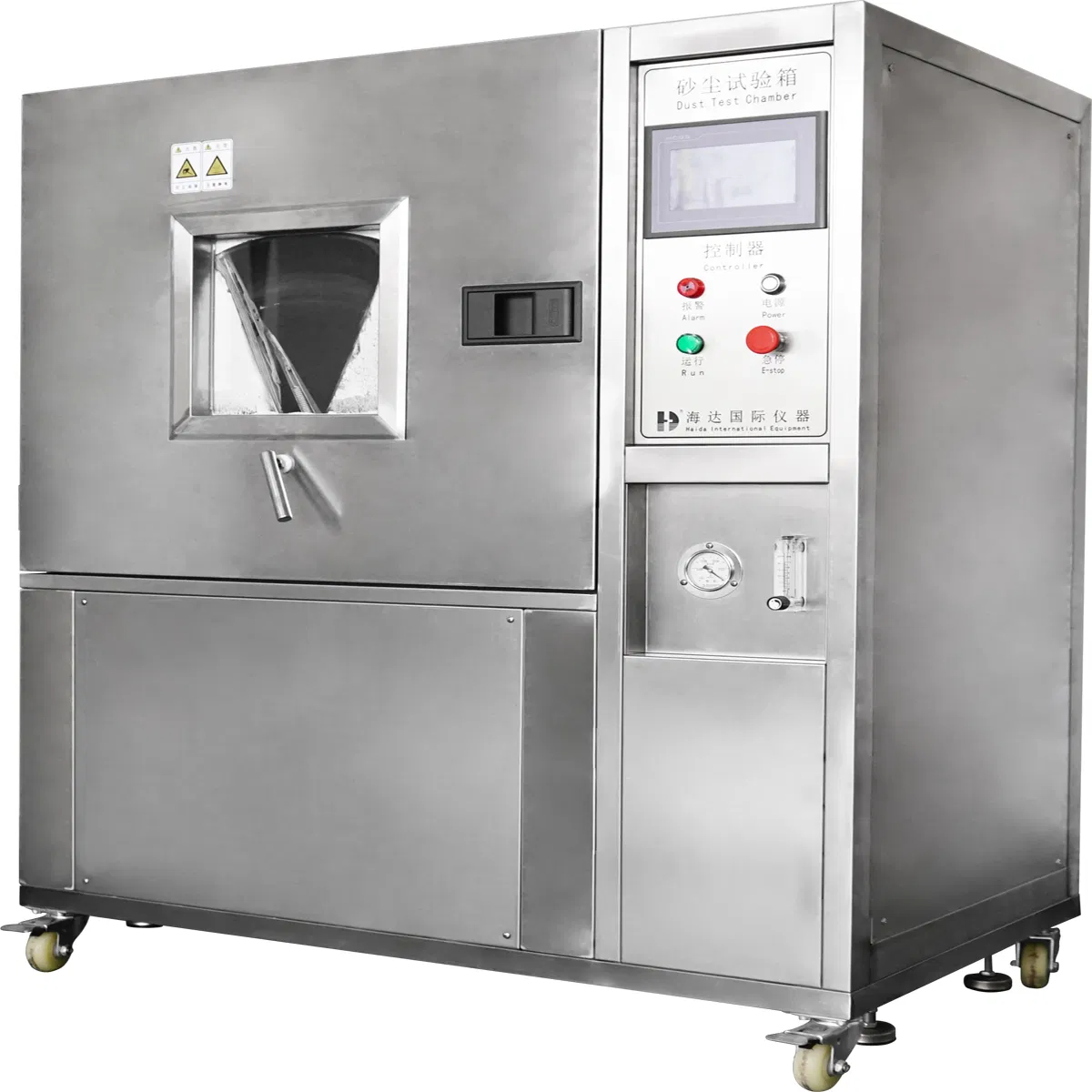
    Whether you are deploying a laboratory environmental chamber in automotive parts testing, electronics development, pharmaceutical stability studies or consumer goods validation, understanding the industries that commonly utilize temperature and humidity test chambers will help you position our solutions effectively.

  • Why Should We Invest in a High and Low Temperature Alternating Test Chamber?

    ​As a quality assurance engineer, I often ask myself: why is a High and Low Temperature Alternating Test Chamber so essential in modern testing labs? Our team at Guangdong Shuangyi Testing Equipment Co., Ltd. has found that this equipment plays a crucial role in ensuring the reliability and durability of various products.

  • From the Laboratory to the Production Line: The Technological Evolution of Gas Analyzers

    Friends in the industry, have you noticed that today's gas analyzers are becoming more and more "smart"? I remember the old analyzers we used ten years ago, which were as bulky as a refrigerator and complicated to operate.

Leave Your Message

  • Click Refresh verification code