

Stainless Steel Threaded Rod Wholesaler Selection Made Simple
2026-11-01
Finding a reliable stainless steel threaded rod wholesaler shouldn't feel like navigating a maze of inconsistent specs, hidden fees, and endless lead times. Yet for many buyers, that's exactly the reality. This guide cuts through the noise—breaking down what actually matters when vetting suppliers, from material certifications to surface finish consistency. And if you're tired of guesswork, Wanluo makes selection simple: a focused catalog, transparent pricing, and quality checks that catch problems before they reach your dock.
Pin Down the Exact Grade and Finish First
If you wait until after fabrication starts to lock in the grade, expect rework and wasted material. A 304 stainless part behaves very differently from 316 when exposed to chlorides, and assuming they are interchangeable has ruined more than one marine or food-processing job. Pull the service environment, load requirements, and welding needs before ordering. Then match the grade to that reality, not to what happens to be sitting on the shelf.
The finish is just as easy to get wrong. A mill finish might look fine in a warehouse but will show every fingerprint and scratch in a public lobby. Brushed, bead-blasted, mirror-polished, or passivated surfaces each change how the material reflects light, resists corrosion, and hides wear. Specify the exact finish number or process name, and if the part will be touched or cleaned often, test a small sample under real conditions before committing to a full run.
Nail both choices before the first cut. It is cheaper to spend an hour reviewing samples than to discover on site that the grade rusts or the finish clashes with adjacent hardware. Once the grade and finish are pinned down, everything downstream gets simpler.
Ask for Mill Test Reports Upfront
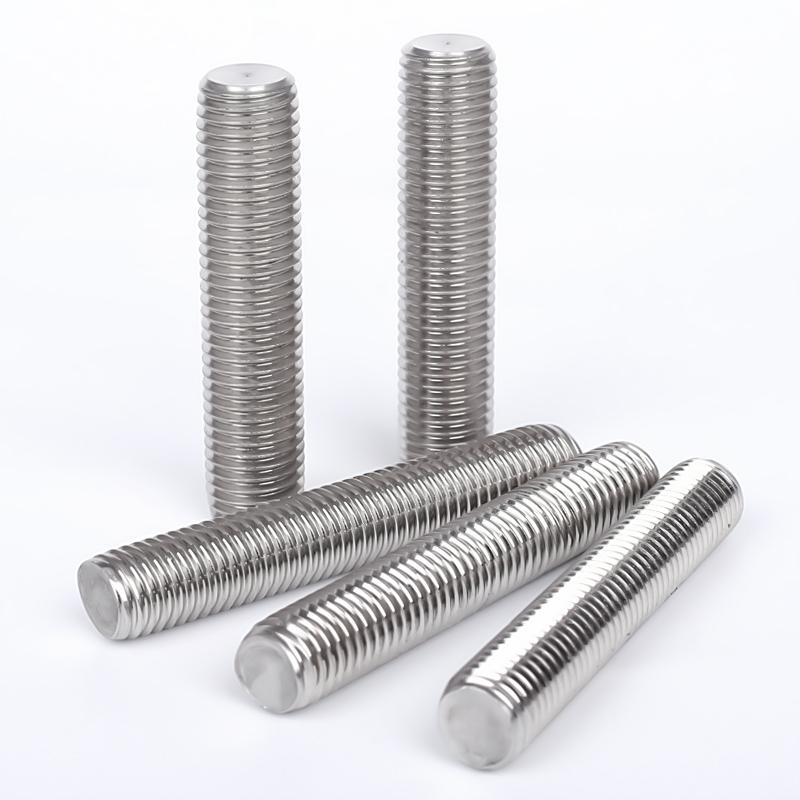
A mill test report is the paper trail that proves the steel in your hands matches what the supplier promised. Waiting until after delivery to request these documents leaves you guessing about tensile strength, yield, and chemical composition exactly when you need certainty. Ask for them before you commit to a purchase, not after the invoice clears.
Treat the MTR as part of the product, not an optional add-on. When you request it upfront, you set a standard: if the mill can't produce a legible, current report for the heat number in question, walk away. This simple step filters out suppliers who flip material without knowing its history.
Build the request into your purchase order language. Specify that the MTR must accompany the shipment and match the heat numbers stamped on the physical pieces. Doing this once takes minutes, but it prevents the slow, costly headache of tracing substandard material after it's already been cut, welded, or installed.
Check What They Actually Keep in Stock
A supplier's website can list hundreds of products, but that doesn't mean the items are sitting on a shelf. Before placing an order, ask for a real-time stock count of the exact SKUs you plan to buy. If they hesitate or give a vague "plenty available," that's a warning sign.
Pay attention to how quickly they can ship after payment. A company that regularly backorders popular sizes or colors may be relying on third-party dropshipping. Request a photo of the physical inventory with a current date stamp, or ask for a short video walkthrough of their warehouse area.
Stock depth matters more than total catalog size. You want a partner who reorders bestsellers before they run dry, not one who only restocks after customers complain. A quick call asking "What's your current quantity on hand for this item?" can reveal more than any polished product page.
Get a Clear Quote, Not a Starting Price
Most “starting at” numbers are built to grab attention, not to reflect what you’ll actually spend. They leave out the variables that matter—material grades, project scope, site conditions, or necessary add-ons. A clear quote replaces those assumptions with line items. If the total surprises you later, the quote wasn’t clear enough upfront.
Ask for the same breakdown from every provider. One might include disposal and travel in the base number; another might list them as extras. That’s not a small difference—it’s the gap between a real budget and a guess. A provider who hands over a detailed quote before you commit is showing you how they work, not just what they charge.
When every figure is accounted for, comparing becomes straightforward. You stop chasing the lowest advertised number and start choosing the offer that actually holds up. That shift—from starting price to clear quote—saves more money than any discount.
See How They Pack and Ship Before You Commit
A lot of suppliers talk about careful packaging, but few show you the actual process. Before you sign anything, ask for a short clip of your order being packed. Watch how they wrap edges, where they place foam, and whether the box survives a drop test. This step alone can save you from receiving crushed corners and cracked panels.
Shipping is where hidden costs and damage usually appear. Ask what carrier they use, how they handle customs paperwork, and whether they offer consolidated freight for smaller orders. A supplier that photographs the pallet before it leaves the warehouse gives you a reference point for any dispute later.
If a vendor refuses to show packing or loading, treat that as a red flag. The best partners will send timestamped photos or a live video call without being asked twice. Seeing the real process before you commit means fewer surprises, less back-and-forth, and a much smoother first delivery.
Look for a Supplier Who Answers After the Sale
Plenty of suppliers are quick to answer when there's a purchase order on the table. The real test comes three weeks later when a shipment arrives with a damaged carton or a fit issue you didn't catch in the sample. A supplier that still picks up the phone then, and actually walks you through the replacement process, is worth more than a slightly lower unit price.
Before placing your first bulk order, send a few follow-up questions after the initial quote. Ask about lead time changes, minimum reorder thresholds, or how they handle a defect found after cutting into fabric. Watch how long they take to respond and whether you get a straight answer or just another product catalogue. That pattern tells you more than any factory audit.
The best suppliers treat the relationship as ongoing, not transactional. They remember your last order, flag potential delays before you ask, and don't vanish when a payment clears. If something goes wrong, you want a person who already knows your account reaching out, not a generic helpdesk ticket buried in someone's inbox.
FAQ
Check whether they stock both 304 and 316 grades and can tell you the difference without hesitation. Ask about thread standards and tolerances, and don't settle for vague answers about material certificates.
Many buyers focus only on 304 versus 316, but low-carbon variants like 316L matter for welding and corrosion resistance. Ask to see actual mill test reports instead of taking the salesperson's word for it.
Compare several wholesalers and look at how flexible they are. Some will split bundles for a small upcharge, others won't. Balance your storage costs against the per-unit price, and ask if they can hold stock for scheduled releases.
Make sure you specify the right thread standard, such as UNC, UNF, or metric, and the tolerance class like 6g. A mismatch here can cause assembly failures, so always confirm the exact spec before ordering.
Stocked sizes usually ship fast, but custom lengths, special alloys, or extra surface treatments add lead time. Always ask for a realistic dispatch date rather than a generic promise, and check if they have a track record of hitting dates.
If you're buying in volume, yes. Inspect the threads, finish, and dimensions yourself. Some wholesalers offer free samples but charge for shipping, which is still cheaper than discovering a problem after a large order arrives.
Ask how they protect the rod ends and whether they apply any rust preventive. Threaded rods can get dinged in transit, so look for suppliers who use proper bundling, end caps, and moisture-resistant wrapping.
A low price often hides inconsistent quality, missed deliveries, or poor after-sales support. A slightly higher rate from a dependable wholesaler can save you rework and downtime, so consider the total cost of the relationship.
Conclusion
Sorting out stainless steel threaded rod suppliers gets much easier once you stop treating it like a commodity purchase. The first move is to lock down the exact grade and finish you need—whether it’s 304, 316, or something more specialized—because that single decision filters out half the market. Then insist on mill test reports before you sign anything. A wholesaler who hesitates to share paperwork or pushes back on traceability is not someone you want feeding your supply chain. Also, don’t take a website’s inventory page at face value. Call and ask what they actually keep on the shelf in your diameter and length. Plenty of distributors list everything under the sun but drop-ship from a third party, which adds days to your lead time and muddies accountability.
Once you’ve narrowed the field, get a firm quote that includes material, finish, thread type, tolerances, and any cutting or chamfering charges. A starting price with “call for final” rarely survives first contact. Packaging and shipping habits matter more than most buyers admit—ask how they bundle rods, whether they protect threads, and how they handle partial bundles. The right supplier will have a consistent packing method that prevents bent rods and damaged threads. Finally, pay attention to how responsive they are after the sale. If they go quiet the moment the invoice clears, that’s a red flag. A dependable wholesaler answers questions about delivery, paperwork, or replacement stock without making you chase them. Keep these checks in sequence and supplier selection stops being a gamble.
Contact Us
Contact Person: Shane
Email: [email protected]
Tel/WhatsApp: 8613357785029
Website: https://www.wanluohardware.com