

Top Women Pilates Socks for Ultimate Comfort and Stability
2026-09-29
When it comes to nailing your Pilates flow, the right pair of socks can make or break your session. Slipping on the reformer? Losing grip during a plank? That’s where top-performing women’s Pilates socks step in—literally. Designed for ultimate comfort and stability, these socks blend breathable fabrics, non-slip grips, and a snug fit that moves with you. Among the standout options, KINDWAY has quietly built a reputation for socks that feel like a second skin, helping you hold every pose with confidence. Whether you're a seasoned instructor or just rolling out your mat for the first time, the right pair can transform your practice. Here’s a closer look at the best picks to keep you grounded, comfortable, and focused from warm-up to cool-down.
The Grip You Actually Need for Reformer and Mat Work
Most people grab the reformer bar or mat straps the way they’d hold a suitcase: knuckles pale, thumb locked, wrist hinged. That kind of grip shuts down the very chain you’re trying to wake up. In Pilates, the hand is not a clamp. It’s a sensory extension of the shoulder blade. You want the pads of your fingers rooted, the palm slightly cupped, and enough tone running through the forearm to keep the wrist long without stiffening it.
On the reformer, the ideal hold depends on whether you’re pressing, pulling, or hanging. For footwork with hands on the shoulder blocks or posts, keep the grip soft but deliberate—press the base of your palm down while your fingers stay alive. When you’re on the straps or the bar, avoid wrapping your thumb too aggressively. Let it rest alongside the index finger or lightly on top. This small adjustment keeps the biceps and upper traps from doing work that should belong to the back and armpit muscles.
On the mat, there’s no handle to hide behind, so the grip becomes more internal. If your hands are planted for planks, push-ups, or the teaser setup, spread the fingers wide and imagine suctioning the heel of the hand and each knuckle into the floor. The pressure should be even, not collapsed into the outer wrist. A useful cue is to feel as if you could slide a piece of paper under the center of your palm—not because the hand is passive, but because the dome of the palm is preserved while the perimeter works. That’s the grip that actually transfers force and protects your joints.
Why Toe Coverage Changes How Your Feet Feel
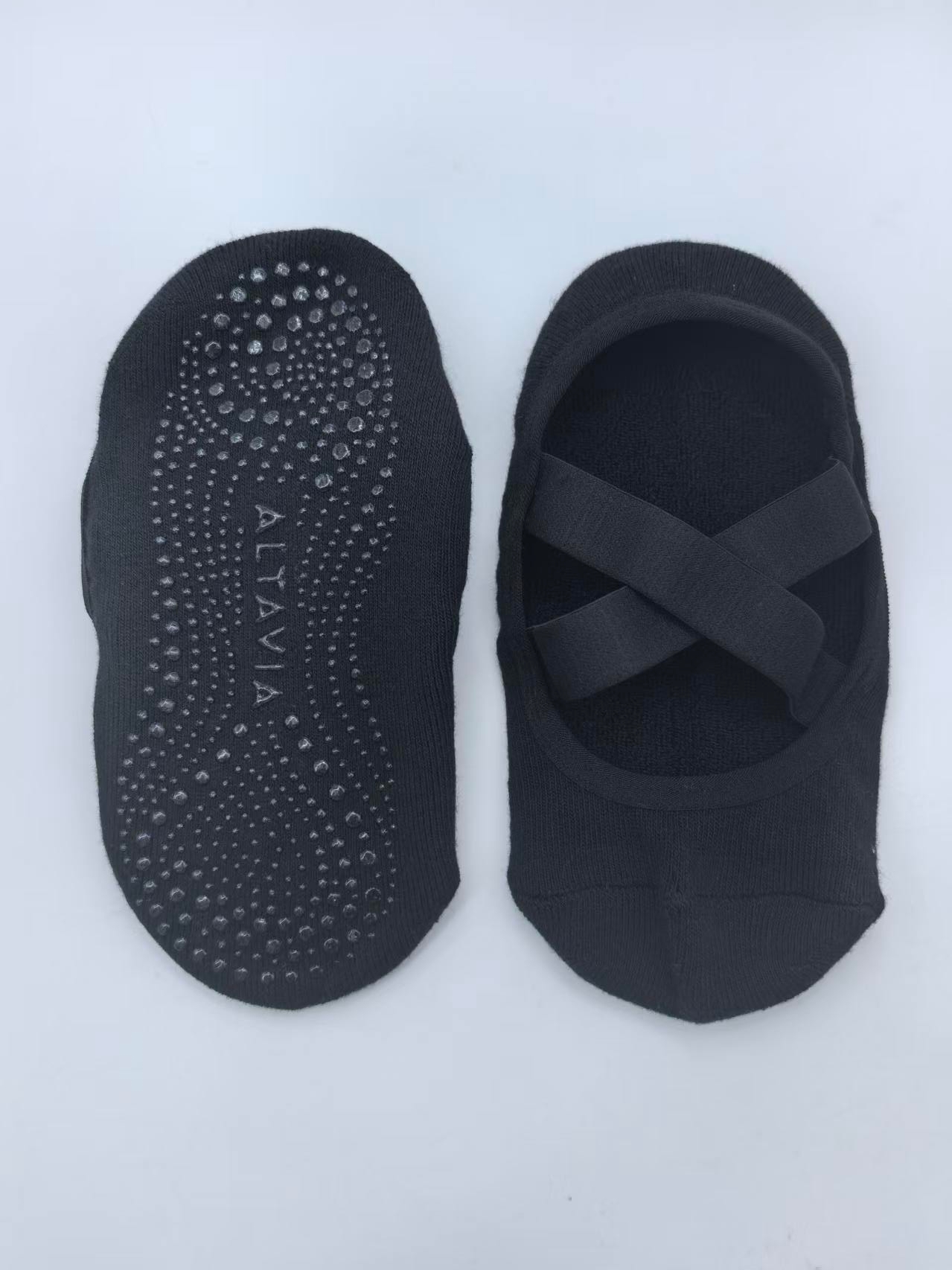
Most people underestimate how much their toes rely on room to move. When a shoe's upper extends far over the toes, it creates a microclimate that traps heat and moisture, but more importantly, it restricts the natural spreading motion that happens with every step. That subtle restriction forces your arch and heel to compensate, shifting pressure away from the forefoot and altering your balance in ways you rarely notice until fatigue sets in.
Barefoot-style and open-toe designs let the toes splay, which activates the intrinsic muscles of the foot. This engagement builds a stronger foundation for the entire kinetic chain—ankles, knees, hips, and lower back. Conversely, excessive toe coverage can lead to a lazy foot posture where the toes curl or bunch together, creating friction points that turn into blisters, corns, or numbness after a few hours. The difference isn't just about comfort; it's about whether your feet are allowed to function as designed.
Consider how toe coverage changes proprioception—your body's sense of where it is in space. When toes can grip, flex, and feel the ground through a thinner or more open upper, your nervous system receives clearer feedback. Covered toes become sensory-deprived, making your stride slightly less precise and increasing the likelihood of stumbles on uneven terrain. For daily wear, a balance between protection and freedom is key: enough coverage to shield against debris, yet not so much that you forget you have toes at all.
Sweat-Wicking Fabrics That Don't Turn Crusty
Most performance shirts promise to pull moisture away from your skin, but few talk about what happens when that sweat evaporates. The crusty, stiff feeling you get on some polyester blends comes from dissolved salts and minerals left behind after the water is gone. It's not the fabric failing to wick—it's the residue building up in the yarns, especially around the neck and underarms. To avoid that cardboard-like texture, look for fabrics with a looser knit and a higher percentage of hydrophilic fibers like modal or Tencel, which allow salts to rinse out more easily instead of crystallizing in place.
Another overlooked factor is how you wash the garment. Fabric softeners and dryer sheets leave a waxy coating that traps sweat residue and makes the stiffness worse over time. Skipping those products and using a small amount of a mild detergent—or even just rinsing the shirt in cold water after a workout—can keep the fibers from turning brittle. If the crust has already set in, soaking the fabric in a solution of white vinegar and water for twenty minutes can dissolve the salts without damaging the wicking treatment.
For truly crust-free performance wear, pay attention to the weave as well. Tightly knit fabrics with a smooth, flat surface tend to hold salt deposits on top, while textured knits and mesh panels give the minerals fewer flat spaces to adhere to. Some newer fabrics use a hollow-core fiber that wicks moisture through the center of the yarn, leaving the outer surface drier and less prone to that gritty, stiff feel. Next time you're shopping, rub the fabric between your fingers—if it feels slick or plasticky, it's probably going to develop that crust after a few wears. A softer, slightly fuzzy hand is a better sign that sweat won't turn it into sandpaper.
A Snug Fit That Won't Cut Into Your Ankles
The cuff around the ankle is soft enough to forget you're wearing anything at all. Instead of a harsh elastic band that bites into your skin, it uses a wider, gently ribbed knit that holds without squeezing. You can slide a finger under the edge easily, but the sock never slips down into your shoe.
After a full day on your feet, there are no red rings or itchy indents left behind. The pressure is distributed across a broader area, so the fit feels secure rather than tight. Even when you cross your legs or flex your foot, the fabric moves with you instead of fighting against you.
The yarn blend also plays a role. A touch of stretch gives the cuff just enough give to adapt to different ankle shapes, while the cotton-rich body keeps everything breathable. It’s the kind of detail you stop noticing—until you wear a pair without it.
How Thicker Heel Cushions Affect Your Stance
Adding a thicker cushion under your heel shifts your body's default alignment more than most people realize. The extra height acts like a small ramp, pushing your center of gravity slightly forward. Over time, this can subtly change how your knees, hips, and lower back share the load with every step you take.
This forward tilt often forces your calf muscles and Achilles tendon to work a bit harder just to keep you stable. If the cushioning is also soft, rather than just tall, your foot sinks deeper into the material, which reduces ground feedback. That loss of firm contact can make your ankle feel less sure of its position, leading to micro-adjustments that fatigue your feet faster during long walks or standing sessions.
Interestingly, a thicker heel pad doesn't always mean a worse stance. For someone with tight calves or a history of plantar fasciitis, the raised heel can temporarily relieve strain by shortening the distance the Achilles needs to stretch. The key is matching the cushion's height and density to your natural stride — otherwise you might end up fighting your own footwear instead of standing taller.
When to Replace Your Pilates Socks (And Why It Matters)
Most people wait until their Pilates socks look visibly trashed before swapping them out, but performance fades well before the holes appear. The grip dots on the sole are the first thing to go—once they start peeling, smoothing over, or losing their tack, your feet have to work harder to stay planted. That subtle slide during a lunge or plank is your cue, even if the fabric still looks fine. A good rule of thumb is to replace them every three to six months with regular use, or roughly every 40 classes, whichever comes first.
Beyond grip, pay attention to how the sock fits around the arch and heel. When the elastic band slackens or the fabric thins out, the sock shifts mid-movement, which can throw off your balance on the reformer. Hygiene matters too: if a thorough wash doesn't remove the odor or the footbed feels perpetually damp and compressed, it's time to retire them. Worn-out socks don't just feel unpleasant—they can increase the risk of slipping on the carriage or straining your toes during transitions.
Replacing your Pilates socks on a schedule isn't about being wasteful; it's about keeping your practice safe and precise. Fresh grip socks let you focus on form instead of fighting for traction, and they protect the equipment from excess sweat buildup over time. If you notice you're adjusting your feet between reps or wiping the soles to 'bring back' the stickiness, that's a clear sign the pair has done its job. Move on to a new set and feel the difference immediately.
FAQ
They have grippy silicone dots across the sole, so your feet stay planted during lunges, planks, or reformer work. The fabric also hugs the arch without squeezing, which helps you feel the floor better.
Absolutely. The grip pattern works on wood, mat, and studio flooring, and the low-cut style slips easily under leggings. Many people use them across pilates, yoga, and barre classes.
Yes, if you turn them inside out and wash cold. The silicone dots stay intact, and the cotton blend doesn't pill much. Air dry to keep the grip tacky.
They run true to size for most, but if you're between sizes or prefer a snugger feel, go down. The cuffs stay put without digging into your ankles.
The dots are soft but grippy, not scratchy like some brands. There's also a thin cushion at the ball and heel, so you get protection without losing ground feel.
Usually a cotton, polyester, and spandex blend. That gives breathability, stretch, and enough structure to keep the sock from twisting around during quick transitions.
They're not a compression sock, but the knit is slightly firmer through the midfoot. It feels like a gentle hug that keeps the sock in place rather than true support.
That's exactly where they shine. The silicone grips prevent slipping on the carriage, and the low profile keeps your toes free for footwork series.
Conclusion
Finding the right pair of Pilates socks can transform your practice, and the top women's options focus on real grip where it matters. On both reformer and mat, a well-designed sole pattern keeps you anchored without that sticky over-grip that throws off your flow. Meanwhile, toe coverage isn't just about style—it changes how your feet feel inside the sock. Some women prefer a full toe wrap for warmth and protection, while others need a half-toe design for better tactile feedback during balance work. The fabric matters just as much: sweat-wicking blends that stay soft wash after wash beat the crusty, stiff pairs that end up shoved in a drawer. A snug fit around the arch and a non-binding ankle cuff mean you won't be distracted by mid-class adjustments or red marks afterward.
Heel cushion thickness plays a bigger role than many realize. A slightly padded heel can soften impact during jumps and rolls, but too much bulk shifts your stance and makes you feel less connected to the equipment. The best socks strike a balance—minimal cushion under the ball of the foot, a touch more at the heel for comfort. And don't ignore replacement timing. Once the grip dots start to smooth out or the fabric loses its stretch, your stability and hygiene both suffer. Most dedicated practitioners swap their favorite pairs every few months, especially if they practice three or more times a week. Bottom line: comfort and stability come from thoughtful details, not just a cute pattern. Choose socks that fit your foot shape, support your movement, and stay grippy through every teaser and hundred.
Contact Us
Contact Person: Alfred Lee
Email: [email protected]
Tel/WhatsApp: +86 13806701496
Website: https://www.hainingsocks.com/